What Judges Really Look For in Photography Print Competitions — A Complete Scoring Guide
TK Broecker / 31 May 2026
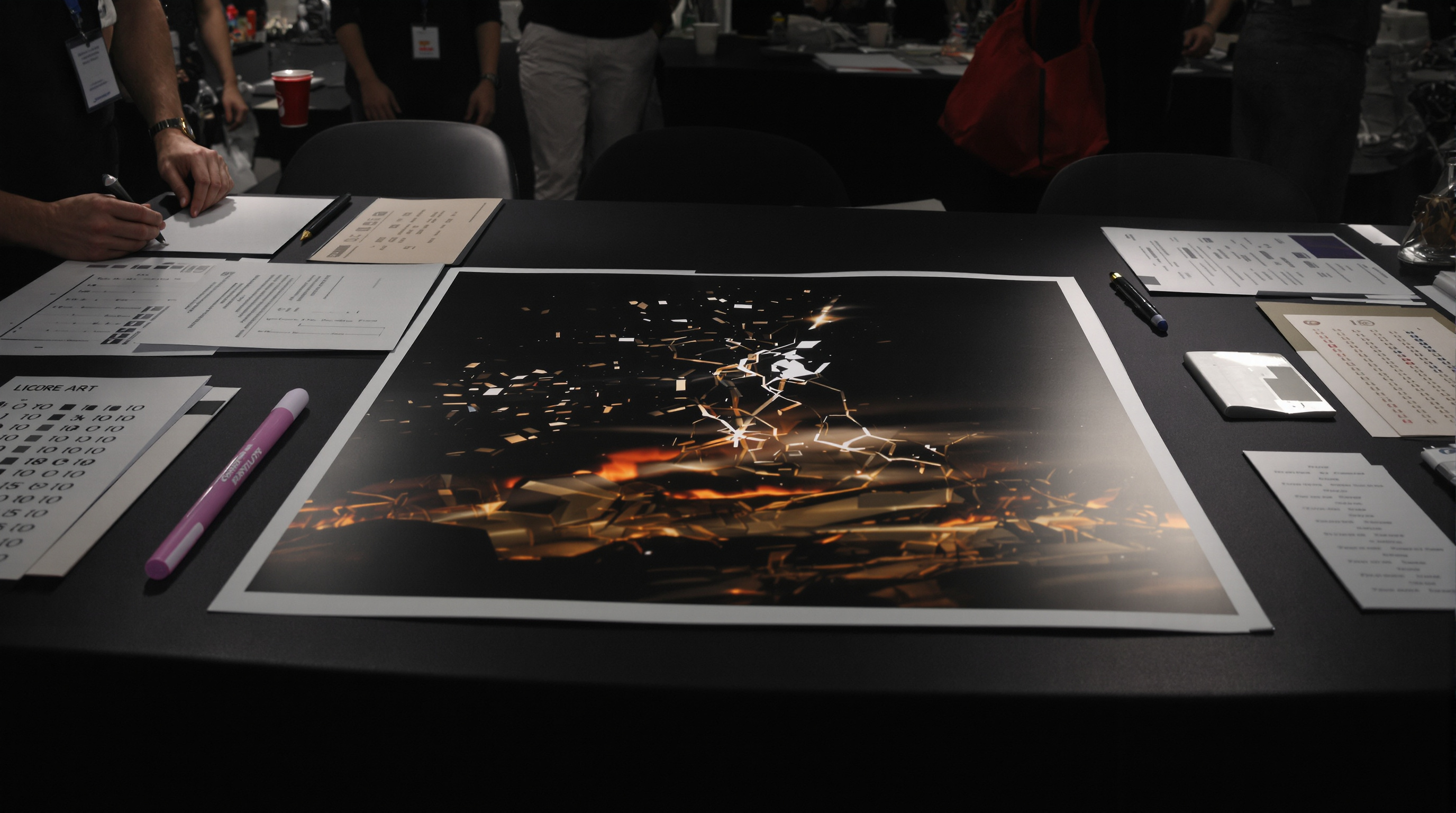
Entering a photography print competition can be one of the most rewarding — and humbling — experiences of a photographer's career. Whether you're aiming for a merit at a PPA-affiliated competition or simply trying to understand why some images place and others don't, understanding the judging criteria is essential. This guide breaks down exactly what judges look for, how scores are calculated, and how you can elevate your prints to a merit-worthy level.
The PPA Print Competition Framework
The Professional Photographers of America (PPA) is one of the most respected photography organizations in the world, and its print competition structure has become an industry standard. PPA competitions operate on a 100-point scale, with a score of 80 or above earning a merit — a recognition that contributes toward professional degrees such as the Craftsman and Master Photographer designations.
Prints are evaluated by a panel of trained judges — typically five or more — using a blind judging process. Each judge scores independently, and the scores are averaged. This system reduces personal bias and ensures a more objective result. Judges are themselves experienced, credentialed photographers who have completed formal training in the evaluation process.
The competition accepts four categories of entries: General, Illustrative, Photojournalism, and Wedding. Each category may have slightly different expectations, but all are scored using the same core criteria.
The 12 Elements of a Merit Image
PPA judges evaluate each print against 12 established elements of a merit image. These are not equally weighted in a strict mathematical formula — rather, judges consider them holistically as they assign an overall impact score. Understanding each element helps photographers know exactly what to focus on:
- Impact — The immediate emotional or visual response the image creates. Does it stop you? Does it make you feel something?
- Creativity — Originality of concept, subject matter, and execution. Judges reward images that show a unique vision rather than a clichéd approach.
- Style — The photographer's personal and distinctive voice as expressed in the image.
- Composition — How the elements within the frame are arranged. This includes the use of leading lines, rule of thirds, balance, and negative space.
- Presentation — The quality of the physical print, the mount, and overall display aesthetics.
- Color Balance — Harmony of color throughout the image. This includes skin tones, background tones, and the overall palette working together.
- Center of Interest — Is there a clear focal point? Does the viewer's eye know where to go?
- Lighting — The quality, direction, and appropriateness of light for the subject and mood of the image.
- Subject Matter — The relevance, appropriateness, and interest level of the subject in relation to the image's intent.
- Technique — Technical execution including focus, depth of field, exposure, and post-processing quality.
- Storytelling — Does the image communicate a narrative or evoke a deeper meaning beyond the surface visual?
- Print Quality — Sharpness, tonal range, detail in highlights and shadows, and the physical quality of the output medium.
Understanding the Impact Score and How Prints Are Ranked
While all 12 elements are considered, Impact is often described as the most influential factor in how a print is received. A technically perfect image that generates no emotional or visual response will consistently underperform a slightly imperfect image that moves the viewer. This is a critical insight for competitors: technical excellence is a baseline expectation, not a differentiator.
Scores in PPA competitions fall into general bands:
- 95–100 — Exceptional. Rarely given. An image that is essentially flawless in concept, execution, and emotional resonance.
- 90–94 — Superior. Outstanding images with very few, if any, weaknesses.
- 85–89 — Excellent. Strong merit-level images that demonstrate high skill and vision.
- 80–84 — Merit. The baseline merit score. Solid, well-executed images that meet professional standards.
- 75–79 — Above Average. Good images that fall just short of merit.
- Below 75 — Images that need further development in one or more key areas.
Judges also provide verbal critiques during the judging session, which is one of the most valuable learning tools available to competitors. These real-time comments identify specific strengths and weaknesses and are far more educational than the score alone.
How to Prepare a Print That Scores at Merit Level and Beyond
Knowing the criteria is one thing — translating that knowledge into a competitive print is another. Here are the most impactful steps you can take to improve your scores:
- Choose images with undeniable impact first. Before worrying about technical details, ask yourself honestly: does this image stop people? Share it with other photographers and observe the reaction.
- Invest in professional print quality. A stunning image printed poorly will lose points immediately. Use a professional lab that specializes in competition printing, and choose appropriate substrates — fine art paper, metallic, or canvas — that enhance rather than compete with the image.
- Pay close attention to presentation and mounting. The mat, mounting style, and overall presentation contribute to the judges' first impression. Clean, professional presentation signals that you take the craft seriously.
- Revisit your composition critically. Print the image large and look at it from a distance. Are distracting elements pulling the eye away from the center of interest? Is the crop optimal?
- Study past merit images. PPA publishes winning images from its International Photographic Competition (IPC). Studying these gives you a calibrated sense of what merit and above-merit images look like across categories.
- Enter local and regional competitions first. Many state and regional PPA affiliates run qualifying competitions. These are excellent proving grounds and provide critique experience before you invest in IPC entry fees.
Understanding photography print competition judging criteria transforms the experience from a mysterious verdict into a learnable, improvable process. The PPA's 12 elements provide a clear framework — with impact, composition, lighting, and technical excellence forming the core pillars of a high-scoring print. Judges are not looking for perfection in isolation, but for images that move them, tell a story, and demonstrate mastery of the craft. Use the criteria as a creative roadmap, and your scores will reflect the growth.