Limited Edition Art Prints in Louisville A Complete Guide for Artists and Collectors
TK Broecker / 21 June 2026
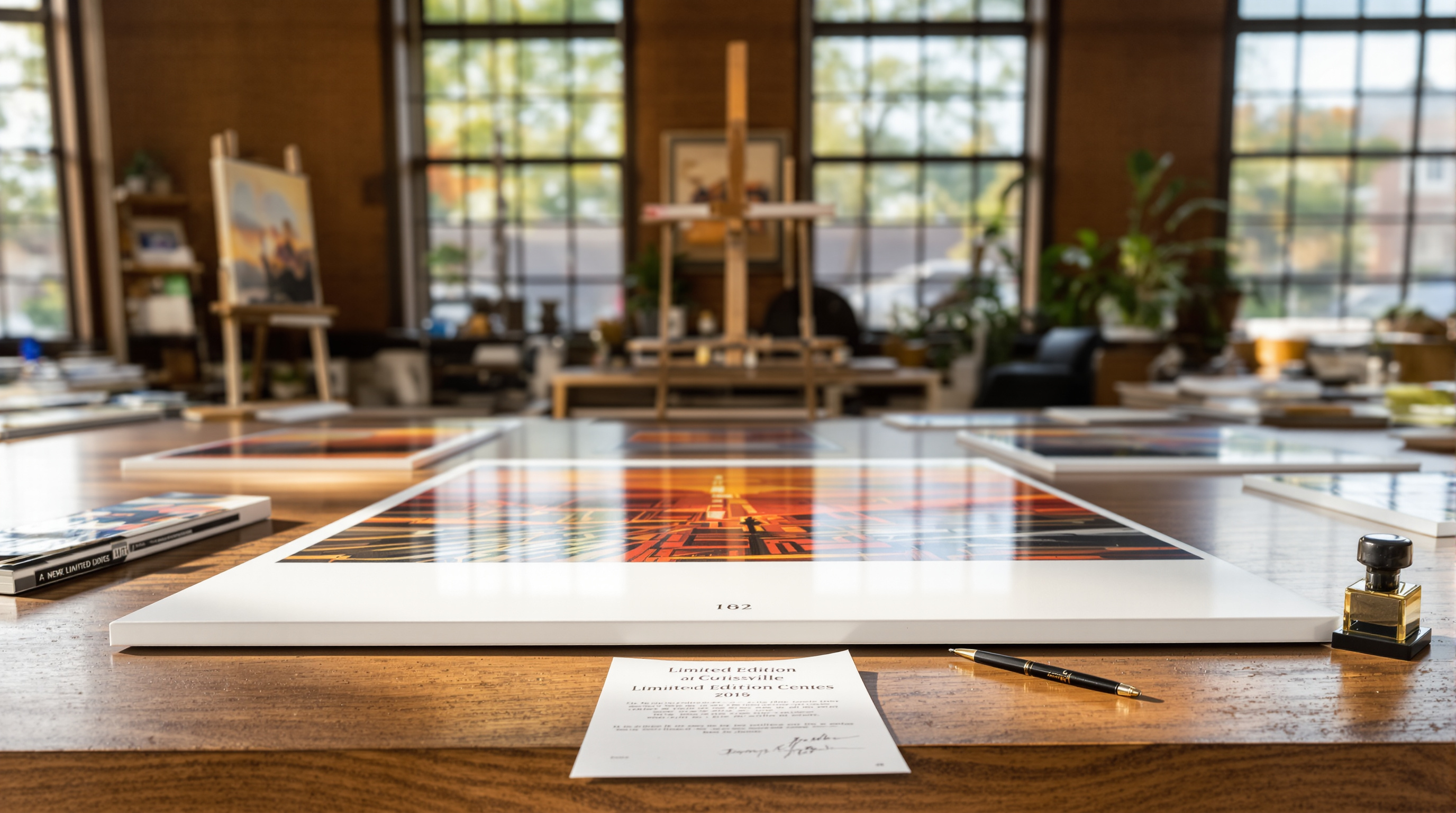
For artists and collectors in Louisville, Kentucky, the world of limited edition art prints represents a powerful intersection of artistic integrity and commercial strategy. Whether you are a painter looking to monetize your work beyond original sales, or a collector seeking investment-worthy pieces, understanding how limited editions work — from numbering and authentication to edition management and selling — is absolutely essential.
What Is a Limited Edition Art Print?
A limited edition print is a reproduction of an original artwork produced in a fixed, predetermined number of copies. Once that number is reached, no further prints are made from that image. This finite supply is what gives limited edition prints their collectible value. In contrast, open editions have no cap on the number of reproductions.
The most common format for high-quality limited edition reproductions today is the giclée print. The term giclée (from the French verb gicler, meaning "to spray") refers to fine art inkjet printing using archival-quality inks and substrates. Giclée prints can be produced on canvas, fine art paper, or metal, and when produced correctly, they can last over 100 years without significant fading. In Louisville and across Kentucky, several professional print studios offer limited run giclée printing services tailored to local artists.
Numbering and the Certificate of Authenticity
Proper edition management is the backbone of a credible limited edition print program. Each print in a limited edition must be individually numbered using a standardized format: X/Y, where X is the sequence number of that specific print and Y is the total edition size. For example, a print marked 7/50 is the seventh print in an edition of fifty.
Alongside numbering, a certificate of authenticity (COA) is an essential document that legitimizes each print. A well-crafted COA should include:
- The title of the artwork
- The artist's full name
- The edition number and total edition size
- The year of production
- The medium and substrate (e.g., giclée on canvas)
- The artist's original signature
- A unique serial or reference number
Some artists also include a blind emboss stamp or holographic seal on both the print and the COA to prevent forgery. Never underestimate the importance of this document — for collectors, it is the difference between a decorative print and a verifiable, investment-grade artwork.
Edition Management Best Practices for Artists
Managing a limited edition properly requires meticulous record-keeping. Artists should maintain a print edition log — a private ledger that records every print made, its number, the date of production, and to whom it was sold or transferred. This log serves as your legal and professional record should any authenticity disputes arise.
Here are key best practices for managing your editions:
- Decide your edition size before printing. Common sizes range from 10 to 500, depending on your market and the prestige you want to maintain.
- Include artist proofs (APs). Traditionally, artists retain a small number of proofs (typically 10% of the edition) marked "AP" for personal use or gifting. These should also be documented.
- Destroy the master file or plate after printing is complete — or formally certify that no further prints will be made — to preserve edition integrity.
- Never reprint a sold-out edition under the same title or numbering. This is considered a serious ethical and legal breach in the fine art market.
How to Sell Limited Edition Prints in Louisville and Beyond
Selling limited edition prints requires a strategy that balances exclusivity with accessibility. In Louisville, artists can leverage a rich local art scene through galleries, art fairs like the St. James Court Art Show — one of the largest outdoor art fairs in the United States — and local boutiques that carry curated art merchandise.
Beyond local channels, an effective selling strategy includes:
- Your own e-commerce website with a dedicated "limited editions" section, including edition size, remaining prints, and downloadable COA previews.
- Online art marketplaces such as Saatchi Art, Artsy, or Fine Art America, which attract global collectors.
- Social media campaigns that document the printing process and countdown the remaining prints in an edition — scarcity drives urgency.
- Direct collector outreach via email newsletters to past buyers, offering early or exclusive access to new editions.
Pricing should reflect the edition size, the reputation of the artist, the quality of printing, and the size of the print. Smaller editions command higher prices per print. A 10-print edition of a large-format canvas giclée by an established Louisville artist can realistically retail between $300 and $1,500 per print or more.
Conclusion
Limited edition art prints offer Louisville artists a sustainable, credible way to expand their reach and revenue while maintaining the integrity of their creative work. By mastering the fundamentals — proper numbering, strong certificates of authenticity, disciplined edition management, and a smart multi-channel selling strategy — artists can build lasting relationships with collectors and establish a lasting legacy in the fine art print market. Start small, stay consistent, and let the work speak for itself.