Float Wrap Prints vs Canvas and Wood Panels — A Louisville Photographer's Guide to Premium Wall Art
TK Broecker / 20 September 2026
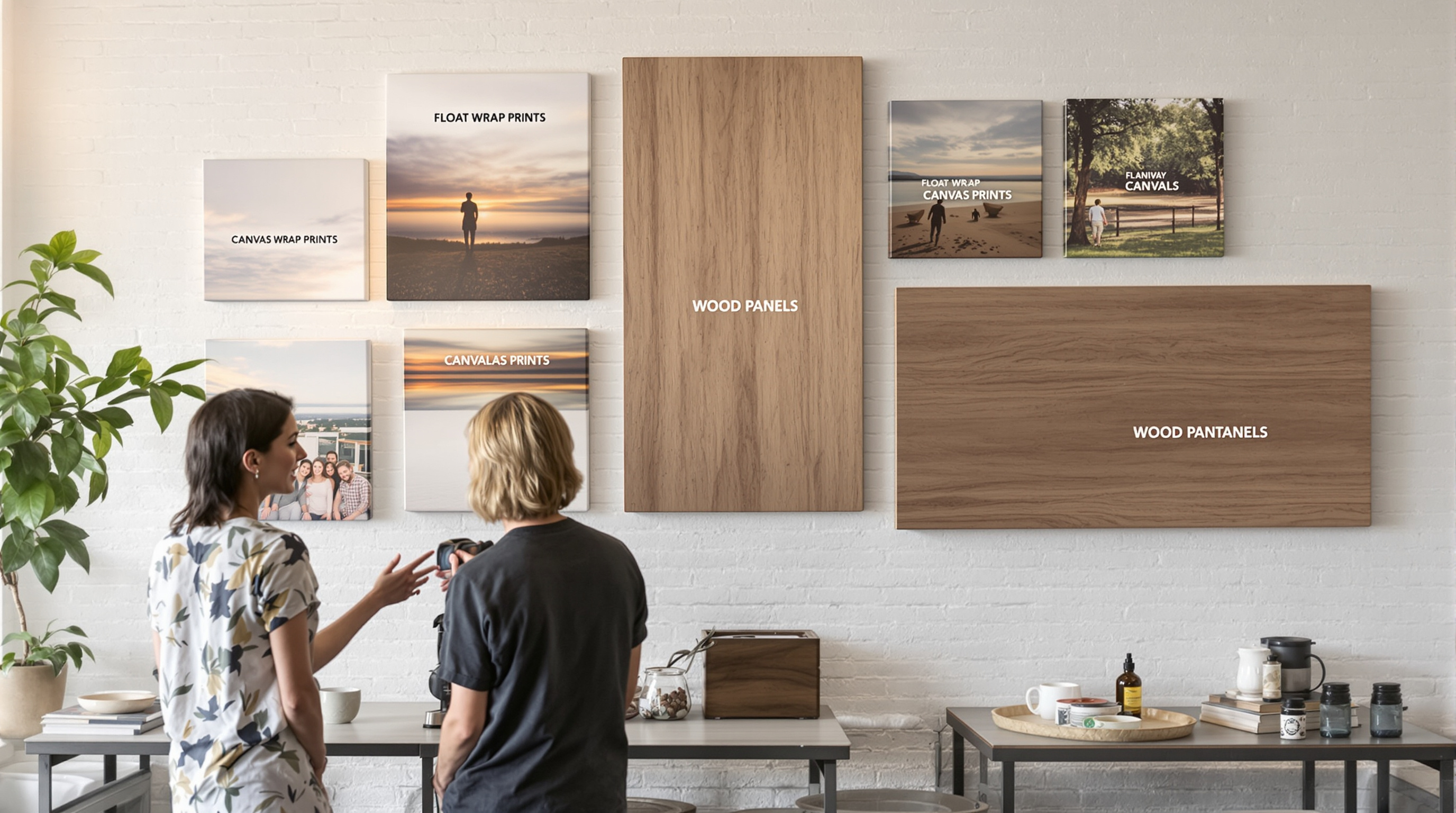
Choosing the right wall art product for your portrait clients is one of the most important decisions a professional photographer can make. It affects not only the perceived value of your work, but also your client's long-term satisfaction and your studio's brand reputation. In Louisville's competitive photography market, understanding the nuances between float wrap prints, canvas prints, and wood photo panels can set you apart and elevate your client experience.
Understanding Your Wall Art Options
Before matching clients to products, it's essential to understand what each medium actually delivers.
Float wrap prints — also called float mounts or float frames — are fine art prints that are face-mounted or rear-mounted onto a rigid substrate (typically acrylic or aluminum), then attached to a backing that lifts the print away from the wall by one to two inches. This creates a dramatic shadow gap that gives the piece a museum-quality, gallery-grade presence. The floating effect draws the viewer's eye to the image itself, making it ideal for bold, high-contrast portraiture and fine art photography.
Canvas prints are inkjet-printed images on canvas fabric, typically stretched over a wooden frame (called a stretcher bar). They have a soft, painterly texture that diffuses light, reducing glare, and give images a warm, traditional artistic quality. Canvas has been used as an artistic medium for centuries — the material's long association with fine art painting gives canvas prints a timeless, emotionally resonant feel that many portrait clients immediately connect with.
Wood photo panels are images printed directly onto or transferred onto natural wood surfaces, such as maple or birch. The wood grain naturally shows through lighter areas of the image, adding organic warmth and a rustic, artisan quality. They are lightweight, require no frame, and hang flush against the wall, making them ideal for casual, lifestyle, or outdoor portrait sessions.
Matching the Right Product to the Right Client
Fine art print client matching is both a science and an art. Not every product suits every client or every image. Consider the following framework:
- Home décor style matters most. Before recommending any product, ask clients about their home's interior. A modern, minimalist space with clean lines and neutral tones pairs beautifully with float wrap prints on acrylic or aluminum — the sleek, frameless presentation fits contemporary aesthetics. A farmhouse or traditional home with warm wood tones and textured fabrics is a natural match for canvas or wood panels.
- Image content drives product choice. High-contrast black-and-white images or richly colored editorial portraits absolutely shine as float wraps, where clarity and saturation are maximized. Softer, lifestyle-driven images — family sessions in golden-hour light, for example — translate beautifully onto canvas or wood, where the organic texture enhances the warmth of the scene.
- Budget and perceived value. Float wraps, especially acrylic face-mounts, are premium-tier products and are priced accordingly. Wood panels, while still high-quality, tend to feel more approachable in price. Offering a range ensures you can serve clients at multiple investment levels without compromising your brand.
- Room placement and size. Large statement pieces (24x36 inches and above) work best as float wraps or gallery-wrapped canvases. Smaller sizes, or gallery walls with multiple pieces, benefit from the lightweight nature of wood panels.
The Wood Photo Panel Selection Guide
When it comes to selecting the right wood panel for a client, there are several variables a Louisville photographer should evaluate:
- Wood species: Maple offers a finer, lighter grain that allows more image detail to come through. Birch has a slightly more pronounced grain, adding visual character. White oak gives a distinctive, rustic appearance suited to lifestyle photography.
- Print method: Direct UV printing onto wood produces sharper results and more vivid colors. Heat-transfer methods tend to produce a softer, slightly faded aesthetic that some clients prefer for a vintage look.
- Finish: Matte finishes protect the image from UV degradation and reduce glare, making them ideal for rooms with direct natural light. Gloss or satin finishes enrich color depth but can show fingerprints more easily.
- Edge treatment: Raw, natural wood edges reinforce the artisan quality. Some suppliers offer painted or stained edges for a more finished look that can complement specific interior color palettes.
- Hanging system: Quality wood panels should come with a secure, recessed hanging cleat or French cleat system that allows the panel to sit flush and level against the wall without visible hardware.
Building a Wall Art Product Guide for Your Louisville Photography Studio
To streamline your sales process and educate clients, creating a photographer wall art product guide is essential. This doesn't have to be a complex document — but it should be a clear, visually rich presentation that helps clients make confident decisions.
Your guide should include:
- Side-by-side product samples — physical samples in your studio are worth more than any digital presentation. Clients who can touch and see the difference between a float wrap and a canvas immediately understand the value.
- Lifestyle imagery — show each product type displayed in real home environments. This helps clients visualize the piece in their own space.
- Size guides with scale references — a 20x30 float wrap looks very different on a wall than it does on paper. Use human silhouettes or furniture outlines to convey true scale.
- Pricing tiers — present products from most premium (acrylic float wrap) to most accessible (wood panel), so clients can self-select based on their comfort level.
- Care instructions — include guidance on dusting, UV exposure, and humidity, particularly for canvas and wood products.
For Louisville photographers specifically, having in-studio samples that reflect the regional aesthetic — warm tones, natural textures, Southern charm — will resonate more deeply with local clients than generic catalog imagery.
Conclusion
Selecting the right premium wall art product is about understanding your client, your images, and your market. Whether you offer float wraps for gallery-wall sophistication, canvas for timeless warmth, or wood panels for artisan character, each medium serves a distinct purpose. Louisville photographers who invest in education, physical samples, and a clear matching process will consistently deliver greater value — and build lasting client relationships in return.