Choosing the Right Print Surface for Photography Competition Success
TK Broecker / 17 May 2026
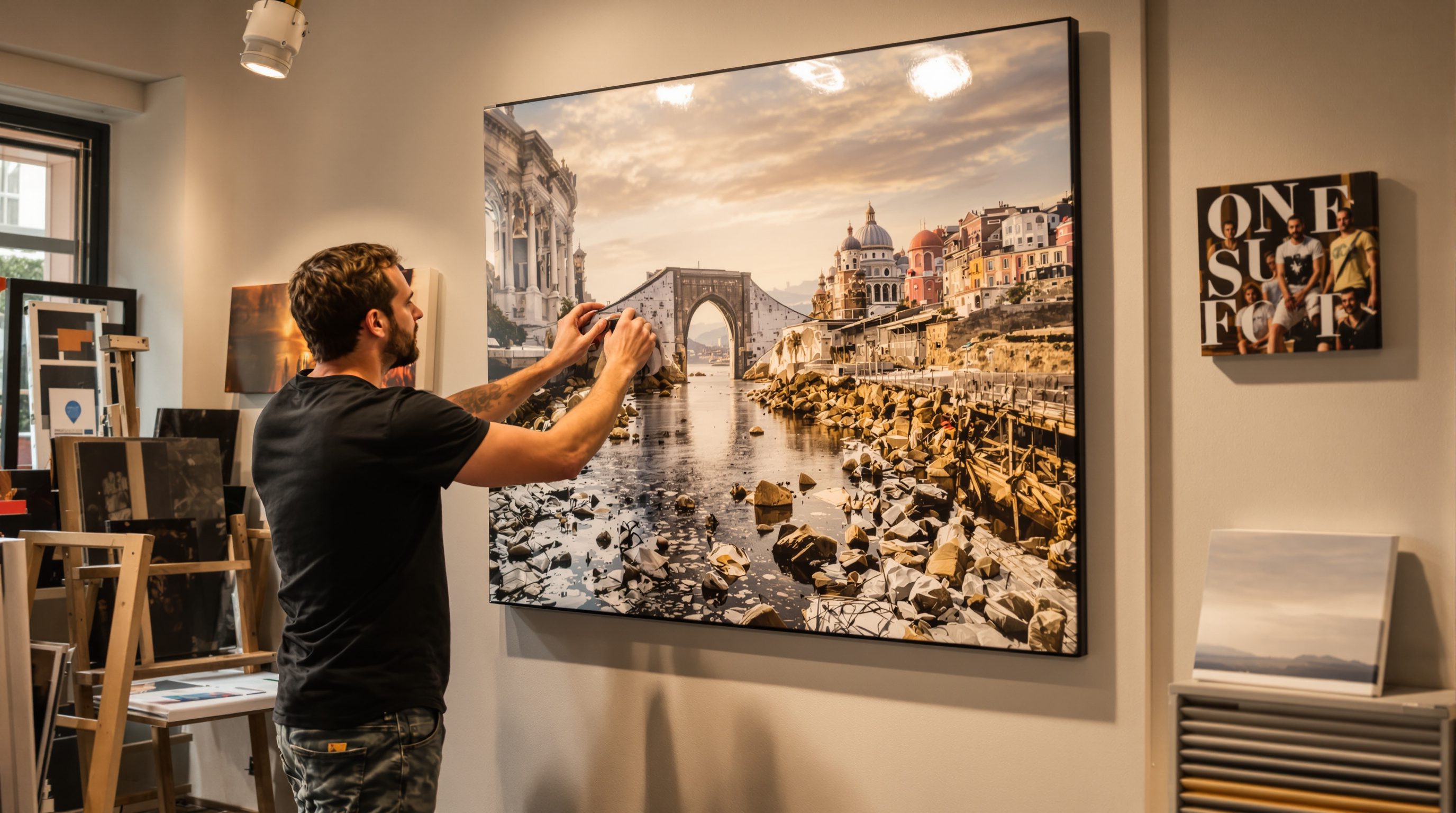
When preparing an image for a photography competition — especially one sanctioned by the Professional Photographers of America (PPA) — the print surface you choose can be just as important as the image itself. Judges evaluate not only composition, lighting, and creativity, but also the physical presentation of the print. Selecting the wrong surface can undermine an otherwise exceptional photograph.
Understanding PPA Competition Print Requirements
The PPA sets specific standards for competition entries. Prints must be a minimum of 8×10 inches and no larger than 20×24 inches (for most district and state levels), and they must be properly mounted or matted. The surface finish is not arbitrarily restricted, but it must serve the image — meaning judges will assess whether the chosen material enhances or detracts from the visual impact.
PPA-approved competition prints are typically submitted as:
- Mounted traditional photographic prints on RC (resin-coated) or fiber-based paper
- Inkjet fine art prints on archival matte or glossy surfaces
- Canvas prints, either stretched or mounted
- Metal prints (aluminum), increasingly accepted at many levels
Always verify specific surface rules with your local PPA affiliate, as requirements can vary slightly by level and year.
Fine Art Paper vs Glossy vs Metallic — Which Paper Wins in Competition
For traditional print categories, paper selection is nuanced. Glossy paper offers vibrant color saturation and sharp detail rendering, making it ideal for bold, high-contrast images. However, it can produce unwanted glare under competition lighting, which may affect how judges perceive tonal range.
Lustre or satin finishes are widely regarded as the safest all-around choice for competition. They balance color richness with glare reduction, and they hold detail well in both highlights and shadows. Many top-ranking PPA competitors and Master Photographers rely on lustre as their go-to surface.
Fine art matte papers — such as baryta, cotton rag, or archival matte — lend a painterly, gallery-quality aesthetic. These surfaces are particularly effective for black-and-white imagery, portraits with soft lighting, and any work aiming for an artistic, editorial feel. Baryta paper, which mimics the look of traditional darkroom fiber prints, is especially valued for its deep blacks and smooth tonal gradations.
Key considerations when choosing paper:
- Image tone and mood — warm-toned papers suit portraits; neutral papers suit landscapes and fine art
- Color profile compatibility — ensure your pro lab's ICC profiles match the paper you select
- Substrate weight — heavier papers (300gsm+) convey quality and mount more cleanly
Canvas vs Metal Prints in Photography Competition
Canvas prints have a long tradition in fine art and are well-accepted in PPA competition. The textured surface adds a three-dimensional, painterly quality that can elevate certain image genres — particularly painterly portraits, wildlife, and landscape work. A properly gallery-wrapped or float-mounted canvas signals craftsmanship and intentionality to a judging panel.
However, canvas is not universally ideal. High-detail images, sharp architectural shots, or photographs relying on crisp micro-contrast may lose critical definition on canvas texture. The weave of the canvas substrate can interrupt fine edge detail, which some judges may penalize under close inspection.
Metal prints (printed directly onto aluminum sheets) offer a striking, luminous quality. Colors appear vivid and almost backlit, and the surface is highly resistant to moisture and fading. Metal prints work exceptionally well for images with strong colors, dramatic lighting, or a modern aesthetic. They are increasingly accepted at competition levels and can make a powerful visual statement on a judging table.
The trade-off with metal is that the inherent sheen may not suit every image. Soft, high-key portraits or moody monochromatic images may feel out of place on a bright metallic surface. The surface choice must always serve the image's intent.
Working with a Pro Lab for Competition-Ready Prints
Regardless of the surface you choose, the quality of your output depends heavily on the lab producing it. Professional labs that specialize in competition printing — such as those certified or recommended by PPA affiliates — offer critical advantages:
- Calibrated printers using archival pigment inks (e.g., Epson UltraChrome or Canon LUCIA) for longevity and color accuracy
- Custom ICC profiles for each paper and surface, ensuring your soft-proof matches the final output
- Experienced staff who understand competition mounting standards and can advise on backing boards, mounting depth, and presentation
- Access to specialty surfaces — baryta, fine art cotton, ChromaLuxe metal — not available through consumer-grade services
When ordering from a pro lab, always request a test print before committing to a full-size competition output. Evaluate it under different lighting conditions, including the type of lighting typically used in judging rooms (often a mix of daylight-balanced and fluorescent). Small adjustments in brightness, contrast, or color balance may be needed to optimize the image for physical print rendering.
Conclusion
Selecting the right print surface for photography competition is a deliberate creative and technical decision. Lustre and baryta papers remain top choices for their versatility and archival quality. Canvas suits painterly, expressive work, while metal delivers impact for bold, colorful imagery. Above all, work with a trusted pro lab, proof carefully, and choose a surface that genuinely elevates your image — because in competition, every detail matters.